


Intensive distribution is a marketing and supply chain strategy that focuses on making products available through as many retail outlets, distributors, and sales channels as possible. This approach is commonly used for fast-moving consumer goods (FMCG), beverages, snacks, personal care products, and other high-demand items that consumers expect to find conveniently wherever they shop. In 2026, brands are leveraging intensive distribution alongside eCommerce, omnichannel retailing, and advanced inventory management systems to maximize market reach and increase sales opportunities.
In this guide, we explain how intensive distribution works, its advantages and disadvantages, real-world examples, and the strategies businesses use to improve product availability, strengthen brand visibility, and drive growth in competitive markets.
Key Takeaways
- Intensive distribution strategies aim to maximize product availability by leveraging all possible retail outlets, ensuring that the product is accessible to as many customers as possible wherever and whenever a consumer is ready to purchase.
- Success in intensive distribution hinges on the careful selection of products suitable for mass market saturation, a wide-reaching network of retail partners, and efficient logistics to manage the supply chain.
- Implementing an intensive distribution plan requires understanding consumer demand, establishing strong partnerships, maintaining quality control, and using modern technology for optimizing distribution processes.

Table of Contents
- What is Intensive Distribution?
- Comparing Distribution Strategies: Intensive, Selective, and Exclusive
- Implementing a Successful Intensive Distribution Strategy
- Case Studies: Brands That Excel in Intensive Distribution
- Assessing Your Product's Suitability for Intensive Distribution
- Enhancing Brand Visibility Through Intensive Distribution
- Maintaining Quality Control in an Intensive Distribution Network
- Leveraging Technology to Optimize Intensive Distribution
- Essential Tips for Negotiating with Retailers and Distributors
- Summary
- Frequently Asked Questions
- Streamline Your Distribution Processes with Orders in Seconds
What is Intensive Distribution?

Have you ever noticed how some products seem to be available everywhere you go? From the corner store to the large retail chains, these items are never out of reach. This widespread availability is no accident—it’s the result of an intensive distribution strategy, which is a part of a well-planned marketing strategy. Such a strategy aims to flood the market with a product, leveraging all the possible outlets to ensure that whenever a customer is ready to buy, the product is within arm’s reach. The core objective is to blanket the market, making the product as accessible as possible, thus embedding it into the fabric of everyday purchasing habits.
Commonly employed by Fast-moving Consumer Goods (FMCG) companies and electronics manufacturers, intensive distribution ensures that products like:
- snacks
- soft drinks
- personal care items
- tech gadgets
Soft drinks are ubiquitous. The advantage is twofold: increased exposure leads to potential sales growth, and for consumers, the convenience is unparalleled. In markets where customers recognize a range of acceptable brands, such as with soft drinks, being readily available can be the deciding factor for a purchase, especially when it takes just a few seconds to grab one. Understanding the target market is crucial for capitalizing on this opportunity.
Regardless of your distribution strategy, maximizing sales is always a priority for wholesale distributors. With our free eBook “Double Your Sales Orders in 5 Steps,” you can gain valuable insights and strategies to boost your revenue, regardless of your distribution approach.

Double Your Sales Orders in 5 Steps
This exclusive eBook is packed with real-world, data-driven concepts that can help maximize your store visits and double your sales. Implementing intensive distribution strategies can also boost sales by increasing product availability across multiple channels. Get it for FREE – Today!
Key Elements of an Intensive Distribution Strategy
The foundation of an intensive distribution strategy lies in the careful selection of products. Not every item is suited for mass market saturation—only those with broad appeal and the potential for high turnover meet the criteria. Once the right products are identified, a vast network of distribution channels is essential. Companies ensure their products are widely available by placing the company’s products in a variety of retail outlets, including small shops, supermarkets, and large chains, to maximize sales and brand visibility. These include an array of retailers and outlets, large and small, ensuring that no matter where the customer looks, the product is present.
However, having a wide-reaching network isn’t enough. The logistics behind moving products from the manufacturer to the multitude of outlets is a complex dance of coordination, efficiency, and timing. It’s a system that demands meticulous management of transportation, storage, and delivery to keep shelves stocked and customers satisfied.
Comparing Distribution Strategies: Intensive, Selective, and Exclusive

When it comes to getting products into customers’ hands, there’s no one-size-fits-all strategy. The choice between intensive, selective, and exclusive distribution hinges on the unique needs of the product and its market context. Intensive distribution is only one piece of the puzzle, aiming for maximum market coverage. In contrast, selective distribution is more curated, involving a limited number of retail outlets chosen for their ability to best serve the target demographic. It’s about quality over quantity, focusing on building strong relationships and ensuring high standards at select locations.
Premium brands often prefer selective or exclusive distribution to maintain exclusivity and deliver a high-quality customer experience.
Exclusive distribution narrows the field even further, limiting a product’s availability to a handful of retailers or even a single outlet. This approach leverages scarcity, creating a sense of exclusivity that can drive demand across various price points. It’s a stra
Implementing a Successful Intensive Distribution Strategy
Stepping into intensive distribution is a deliberate move that should align with consumer purchasing patterns and the unique characteristics of your product. It’s about understanding the market’s pulse—ensuring that your product not only meets demand but also is viable economically when spread across a wide expanse of retail landscapes. The benefits of such a strategy are clear: an increase in sales performance and a solidified brand presence. Intensive distribution can lead to increased sales, greater market share, and more sales opportunities by maximizing product availability and visibility across multiple retail channels.
Forming the right partnerships is also crucial. The chosen distributors and retailers should not only be effective in selling products but also share the company’s vision and values. And as with any dynamic business environment, adaptability is key. A successful intensive distribution strategy thrives on continuous assessment and the ability to integrate feedback and performance metrics into an evolving plan.
Overcoming Challenges in Intensive Distribution
But it’s not all smooth sailing; an intensive distribution strategy comes with its own set of challenges. Managing a sprawling supply chain and ensuring consistent product quality across countless retail outlets can seem daunting, especially when it comes to the logistical and cost challenges involved as companies distribute products widely across multiple outlets.
To overcome these challenges, consider the following strategies:
- Partnering with a national third-party logistics provider can help centralize quality control and manage inventory and deliveries more efficiently.
- Analyze the market carefully and communicate effectively with retailers to prevent resource overextension and maintain quality.
- Consider the additional costs of storage and transportation when planning your distribution strategy.
By implementing these strategies, you can navigate the challenges of an intensive distribution strategy and ensure the success of your product in the market.
Conflict can also arise between channel partners, potentially leading to inconsistencies in how your product is distributed. Setting clear policies, providing regular support and training, and having a conflict resolution process in place are essential to keep everyone aligned with your business goals. And when it comes to choosing partners, it’s not just about who can sell the most—it’s about who can uphold your brand’s reputation for quality and efficiency.
To optimize your distribution strategy, it’s crucial to overcome challenges regardless of your approach. Our eBook, “Avoid the Top 5 Mistakes Wholesale Distributors Make,” offers valuable insights applicable to all distributors. Whether you’re focused on intensive distribution or other methods, learning from common mistakes can enhance your operations.

Avoid the Top 5 Mistakes Wholesale Distributors Make
Case Studies: Brands That Excel in Intensive Distribution
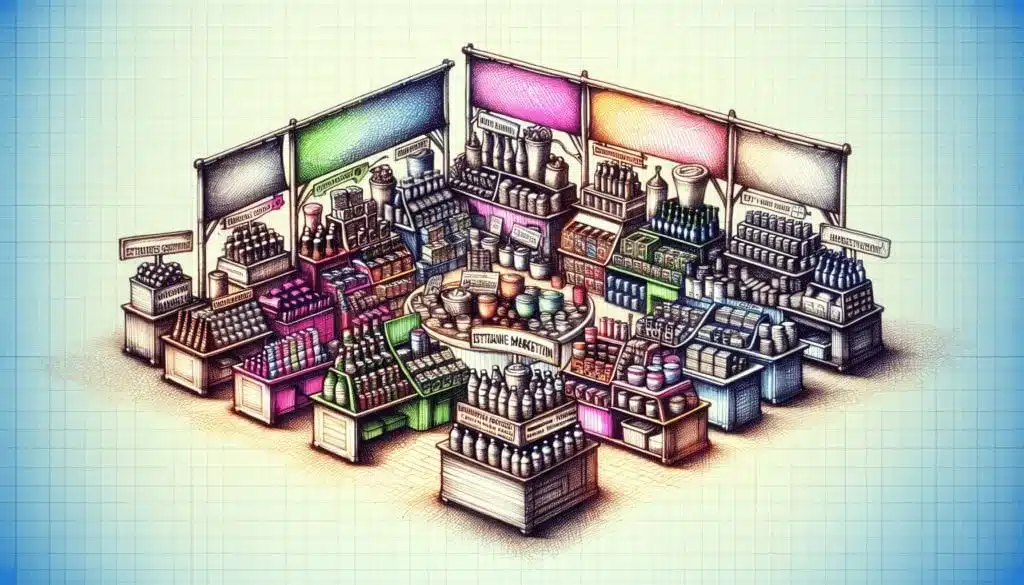
When we think of intensive distribution done right, a few iconic brands immediately come to mind. These brands feature products that are intensively distributed to maximize exposure and availability, ensuring they reach consumers wherever they shop. Take Coca-Cola, for instance. The beverage giant exemplifies the strategy by ensuring its products are available in a vast array of venues, including:
- gas stations
- convenience stores
- supermarkets
- restaurants
- vending machines
- movie theaters
- sports stadiums
- hotels
Similarly, Kellogg’s cereals can be found in virtually every grocery store aisle, a testament to the company’s mastery of market coverage.
Apple Inc. is another notable example. The tech titan has made its range of products—from the latest iPhone to accessories—available across not only its own sleek stores but also through countless retail partners and online platforms. This approach has contributed to Apple’s strong market presence and brand visibility.
Assessing Your Product's Suitability for Intensive Distribution
Not every product is cut out for intensive distribution. Products suitable for intensive distribution typically do not target a specific market segment but are intended for mass consumption across broad demographics and retail outlets. It’s a strategy that works best for items that are low-cost, high-demand, and frequently purchased—think snacks, soft drinks, and personal care products. These products often have low price points and are designed for frequent purchase. Customers expect these items to be readily available wherever they shop.
On the other hand, high-end, niche, or specialty items usually fare better with selective or exclusive distribution, where the focus is on a targeted customer base and a controlled retail environment. It’s crucial to evaluate whether your product is the kind that benefits from being placed in as many locations as possible or if it would lose its perceived value through overexposure, as sales vary depending on distribution strategies.
Enhancing Brand Visibility Through Intensive Distribution

An effective intensive distribution strategy doesn’t just push products into retail stores; it elevates the brand into a ubiquitous presence. By placing products in numerous retail outlets, intensive distribution creates brand awareness and increases customer reach, ensuring maximum exposure across the market. The importance of product promotion in supporting intensive distribution cannot be overstated, as effective retailer partnerships and placement further enhance market saturation. By making your product available in a wide range of retail outlets, you increase the number of customer touchpoints, creating a sense of familiarity that can heavily influence purchasing decisions. This constant visibility not only improves brand recognition but also embeds your product in the consumer’s mental landscape as a readily accessible choice.
The result is a brand that feels omnipresent, one that consumers encounter so frequently it becomes a natural part of their shopping experience. Increased brand awareness and visibility help attract potential customers, making them more likely to recognize and purchase your product when the need arises. This familiarity breeds trust and, ultimately, loyalty—a goal that any brand strives to achieve.
Maintaining Quality Control in an Intensive Distribution Network
Quality control is paramount in an intensive distribution network. With products being distributed on a massive scale, there needs to be a consistent standard of excellence across the board. This is where a comprehensive logistics support system comes into play, ensuring a supportive supply chain that can handle the demands of widespread distribution.
Furthermore, the perceived quality of a product can differ depending on the retail setting, underscoring the importance of collaborating with logistics providers capable of delivering dependable services and upholding stringent quality control measures throughout the entire distribution chain. These strategic alliances facilitate the implementation of consistent handling and shipping protocols, guaranteeing that consumers receive the same premium product experience, irrespective of their point of purchase.
To identify suitable retail partners and optimize your distribution network for consistent quality delivery, access to a comprehensive list of retail stores can be invaluable. This allows for targeted selection of retail environments that align with your brand and quality standards.
Leveraging Technology to Optimize Intensive Distribution

The adoption of modern technology is revolutionizing the way companies approach intensive distribution. Systems like partner relationship management and advancements in AI/ML offer unprecedented visibility and control over the distribution network, streamlining processes and improving efficiency. Digital platforms enhance communication and collaboration among channel partners, providing a centralized view of customer and inventory data for all parties involved.
Data analytics play a crucial role in this technological landscape. By analyzing demand patterns and inventory levels, companies can optimize delivery times, minimize transportation costs, and ensure that products are distributed effectively and efficiently. In an era where customer expectations are ever-evolving, these technological investments are vital for maintaining a competitive edge and facilitating quick adaptation to market changes.
Essential Tips for Negotiating with Retailers and Distributors
Negotiation is an art, especially when it comes to forming partnerships for an intensive distribution strategy. Aiming for a win-win outcome is the beacon that guides these discussions, as both parties seek to establish a relationship that supports mutual growth and success. By presenting a clear value proposition, companies can demonstrate how their success is intricately tied to the success of their retail partners, fostering a collaborative and supportive environment.
Throughout negotiations, it’s imperative to establish clear terms and conditions. This includes detailing aspects such as:
- pricing
- order quantities
- delivery schedules
- payment terms
Setting these parameters creates a transparent agreement that minimizes misunderstandings and lays the groundwork for a lasting and fruitful partnership.
Distribution Network and Channels: Building a Robust Reach
A successful intensive distribution strategy hinges on the strength and breadth of your distribution network. To achieve maximum market coverage, brands must forge relationships with a diverse array of retail partners, from major retail stores and supermarket chains to convenience stores and independent outlets. The objective is clear: make your products available in as many outlets as possible, ensuring that customers can find them wherever they shop.
Building this robust reach requires meticulous supply chain management. Efficient logistics and reliable delivery systems are essential to keep shelves stocked and products moving swiftly through the supply chain. By leveraging a mix of direct and indirect distribution channels, companies can extend their reach even further—direct distribution allows for greater control and faster response times, while indirect distribution taps into the established networks of wholesale and retail partners.
The result is a distribution network that not only boosts sales but also enhances brand presence across a wider market. By prioritizing accessibility and convenience, brands can ensure their products are always within arm’s reach, meeting the expectations of today’s fast-moving consumers.
Measuring Distribution Success: KPIs and Metrics for 2026
To ensure your intensive distribution strategy is delivering results, it’s essential to track the right KPIs and metrics. In 2026, data-driven decision-making will be at the heart of successful distribution strategies, enabling brands to fine-tune their approach and strengthen customer relationships.
Key metrics to monitor include market penetration—how widely your products are available across retail outlets—and sales volume, which reflects the effectiveness of your distribution network. Customer loyalty and brand visibility are also critical indicators, showing how well your strategy is resonating with your target market. Additional metrics such as the number of retail outlets carrying your products, the frequency of product replenishment, and customer satisfaction scores provide valuable insights into operational efficiency and market response.
By regularly analyzing these KPIs, companies can identify opportunities for improvement, address gaps in their distribution network, and adapt their intensive distribution strategy to changing market demands. This ongoing optimization is vital for maintaining a competitive edge and achieving long-term growth.
Future of Distribution: Trends Shaping Intensive Strategies
The landscape of product distribution is evolving rapidly, and brands must stay ahead of emerging trends to maintain a successful intensive distribution model. E-commerce and digitalization are transforming how products reach customers, making it essential for companies to integrate online platforms into their distribution strategies. Consumers now expect seamless experiences across both physical and digital retail environments, pushing brands to expand their presence and ensure product availability wherever customers buy.
Sustainability is also becoming a key consideration, with companies investing in eco-friendly packaging and partnering with last-mile delivery providers to reduce their environmental footprint. In this dynamic business environment, maintaining quality control, product availability, and a superior customer experience is crucial for building brand loyalty and standing out from the competition.
While intensive distribution focuses on widespread availability, exclusive distribution and selective distribution strategies remain important for brands seeking to balance market coverage with brand control and premium positioning. By embracing innovation and adapting to market trends, companies can create a resilient distribution network that drives growth, increases sales, and strengthens their brand image for the future.
Summary
From the omnipresent soda can in the vending machine to the latest gadget available across countless online and offline stores, an intensive distribution strategy can transform how a product permeates the market. By ensuring products are available in both physical stores and online platforms, intensive distribution helps brands reach more customers and expand their presence. By understanding and implementing the strategy’s key elements, overcoming its challenges, and leveraging technology, companies can significantly enhance their market reach and brand visibility. The journey from the manufacturer to the end-user’s hands is a complex one, but with the right approach, your brand can become a familiar face in the diverse landscape of retail environments.
Frequently Asked Questions
-
Is Coca-Cola intensive distribution?
Yes, Coca-Cola uses an intensive distribution system in the USA, along with other big companies like PepsiCo and Amazon.com. This helps them to efficiently get their products to consumers.
-
What is an example of extensive distribution?
Extensive distribution involves making consumers aware of a wide range of products, such as those offered by Coca-Cola Company and Cadbury. This strategy aims to maximize product availability across various locations.
-
Is intensive distribution suitable for all types of products?
Intensive distribution is suitable for products that are low-cost, have high demand, and are purchased frequently, such as snacks and personal care items. High-end, niche, or specialty items are better suited for selective or exclusive distribution.
-
How do companies ensure quality control in an intensive distribution network?
Companies ensure quality control in an intensive distribution network through a comprehensive logistics support system, standardized handling and shipping procedures, and effective communication among partners. This allows for consistency and reliability in the distribution process.
-
What role does technology play in optimizing intensive distribution?
Technology optimizes intensive distribution by improving visibility, enhancing communication, and enabling data-driven decisions to streamline processes and improve efficiency.
Streamline Your Distribution Processes with Orders in Seconds
Whether you’re navigating an intensive distribution model or exploring other avenues, embracing technology is key to staying competitive in the wholesale distribution world.
With Orders in Seconds’ cutting-edge apps like OIS Pro App and OIS eCommerce, you can revolutionize your distribution strategy. Simplify order taking for your field sales reps with OIS Pro, enabling stress-free order placement, accepting payments, and capturing customer signatures on the spot. Meanwhile, impress your B2B buyers with OIS Ecommerce, offering a simplified buying experience with offline order placement and easy barcode scanning integration. Explore the possibilities with Orders in Seconds and transform your distribution network today.
To explore how OIS solutions can optimize your wholesale distribution processes, schedule a demo today.


